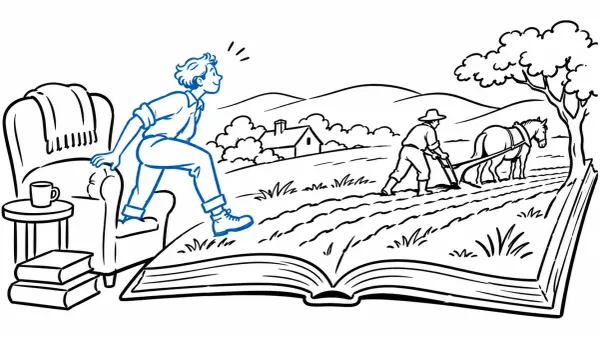
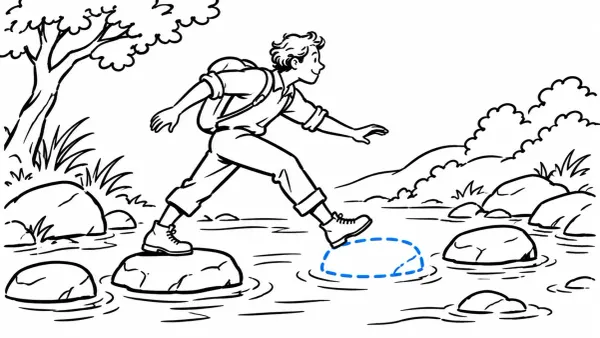
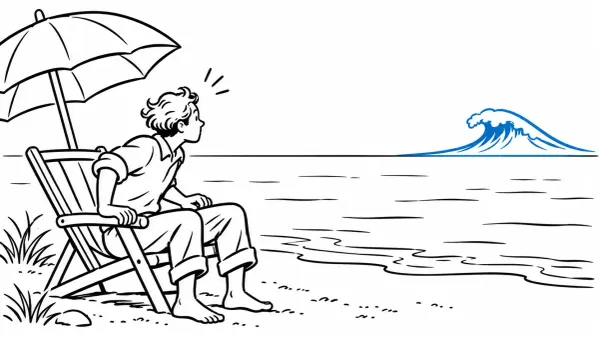
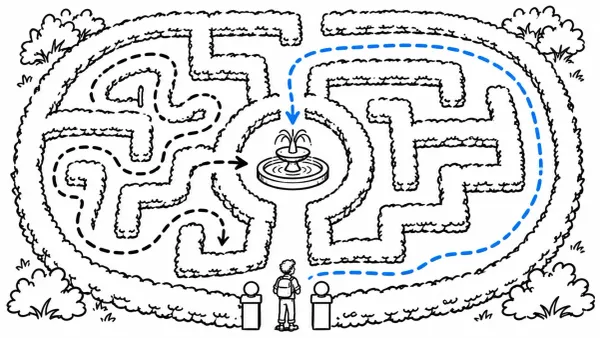
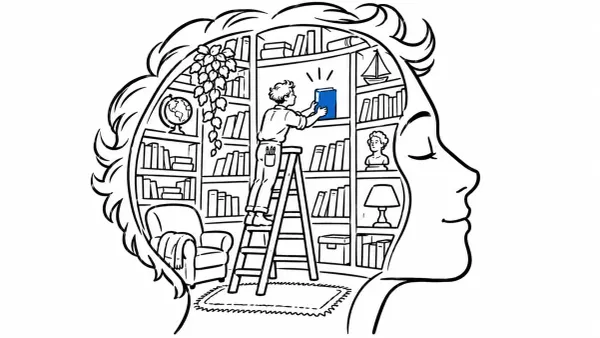
Most writers judge a draft by whether it says what they mean. That's a fair test: the ideas have to be right. But readers don't receive your meaning; they build it, predicting what comes next, holding pieces in memory and taking whatever sits where the point belongs as the point. When the text works against those habits, readers misread, skim or stop, and the ideas get the blame.
These posts explain how readers actually read: the expectations they bring to every sentence, the trade of attention for value that makes them care, and what George Gopen, Stanley Fish and the science of reading say about writing for them.